
The Influence of Yeast Supplements on the Performance of Monogastric Animals
- News
- 4/7/2025, 8:58:52 AM
The Influence of Yeast Supplements on the Performance of Monogastric Animals
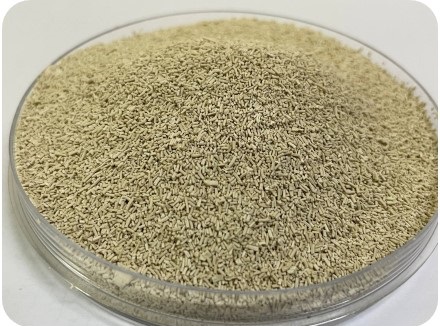
Yeast, a probiotic with a long history of use, has garnered substantial interest due to its high content of protein, amino acids, energy, and essential micronutrients. Yeast-derived byproducts, such as yeast cells and cell walls, contain bioactive compounds—including β-glucans, mannooligosaccharides, and nucleotides—that have been shown to enhance animal growth performance and overall health. While the benefits of yeast supplementation have been explored, limited research exists on its specific applications in the nutrition of non-ruminant animals.
Pioneering investigations suggested that incorporating various yeast-based products into monogastric animal diets can improve growth performance, nutrient absorption, gut microbiota balance, intestinal morphology, immune function, and reproductive efficiency, particularly in swine and poultry. The beneficial effects of yeast supplementation are attributed to its capacity to inhibit pathogenic colonization in the gastrointestinal tract, modulate gut microbial composition, enhance immune responses, and exhibit potential antioxidant and antimutagenic properties.